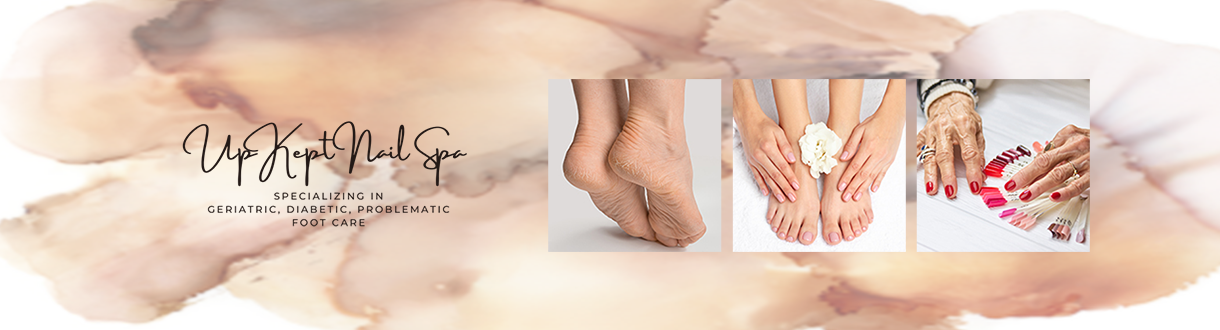

Chilly winter temps and dry indoor air are not only just bad news for your skin (causing itchy, irritated dry patches) or nails (hello, brittleness), but it's also open season for heel cracking — and you shouldn't wait until your spring or summer pedicure to roll around to do something about it. If you want to take those dry, cracked feet into your own hands, and it’s probably about time to learn how to care for them yourself. (It's really not that hard.) Cracked heels affect approximately 48% of the population, and, according to this 2026 study, it's more prevalent in females and those with high foot strain. Even if you don't suffer from the condition significantly, it's always encouraged to invest in preventive care. That's why we did a bit of investigative work into what exactly is causing your dry, cracked heels — here, top dermatologists and doctors break it down, and offer solutions on how to treat them.
What causes cracked heels?
Because there are a handful of different causes, it might take some time to figure out exactly what is leading the condition of your feet. Your dry, cracked feet can be caused by the skin condition eczema, which is typically genetic and is most common on hands and feet, says Heather Woolery-Lloyd, board-certified dermatologist. She also says that age can play into it because "as people get older the skin tends to get drier and produces less natural oils." Other causes of dry, cracked heels include "diabetes, eczema, hypothyroidism, Sjögren's syndrome, juvenile plantar dermatosis, infections such as athlete's foot, biomechanical factors such as flat feet, heel spurs, or standing for long periods of time, particularly on hard flooring, and open-healed or poorly fitting shoes, as well as dry, cold weather," says Dr. Miguel Cunha, board-certified surgical podiatrist and founder of Gotham Footcare.
How to heal cracked heels.
To combat your cracked heels, follow these four easy steps to put a fresh spring in your step.
Step 1: Soak + Exfoliate.
Once a week, set aside a little time after you shower to treat your feet. The key is to soften your calloused, dry feet in warm water for 10 to 15 minutes. If you’re feeling fancy, put in a few drops of your favorite essential oil or use a pre-packaged foot soak like Dr. Teal’s Pure Epsom Salt that has peppermint essential oil, baking soda, aloe and coconut oil in it to repair and refresh. Soaking your feet will hydrate your calloused skin and make it easier for a pumice stone or foot file to do its job.Afterwards, physically exfoliate and slough off dead skin with a pumice stone or a foot file.
Step 2: Moisturize On The Reg.
For hardened heels, it’s crucial to use a moisturizer daily. “Look for one with urea or lactic acid on the ingredient label as these will exfoliate as well as hydrate,” explains Emily Splichal, DPM, a functional podiatrist and human movement specialist.
Dr. Cunha recommends softening the feet with Bare 40 Moisturizing Urea Gel. "I inform my patients to apply this gel evenly throughout both feet at night, wrap their feet with saran wrap, and wear socks to bed." You can also look to your pantry for a DIY solution. “You can put any oils — olive oil or coconut oil — on the heel but wait to do this until after you soak as oils acts as a sealant to moisture,” Dr. Splichal furthers. She also suggests sealing it into skin with saran wrap to lock in moisture (or you can always opt for moisturizing socks like these, with built-in aloe).
Step 3: Choose The Right Footwear.
If you’re constantly dealing with cracked skin, it may be time to reevaluate your shoe collection as certain pairs can aggravate heels — “especially tighter ones that are restrictive of movement like boots or pairs that have a stiff heel counter (the little plastic insert that’s used to reinforce the heel cup and increase support),” notes Dr. Splichal. Her favorite sole soothers? Shoes with softer fabrics that don’t have a heel counter, such as All Birds.
Step 4: Make Foot Care Part Of Your Routine.
Just like your skincare routine, it’s equally important to continue to give your feet some TLC—even after you’ve healed them. “The best treatment for cracked heels is avoiding it in the first place which means daily moisturizing and weekly exfoliating — this is important in both cold and warm weather,” advises Dr. Splichal. If you're already a skincare enthusiast, then this shouldn't be a hard step to add to your regimen.

No comments:
Post a Comment